
Alex Pinel Neparidze
30 May 2026
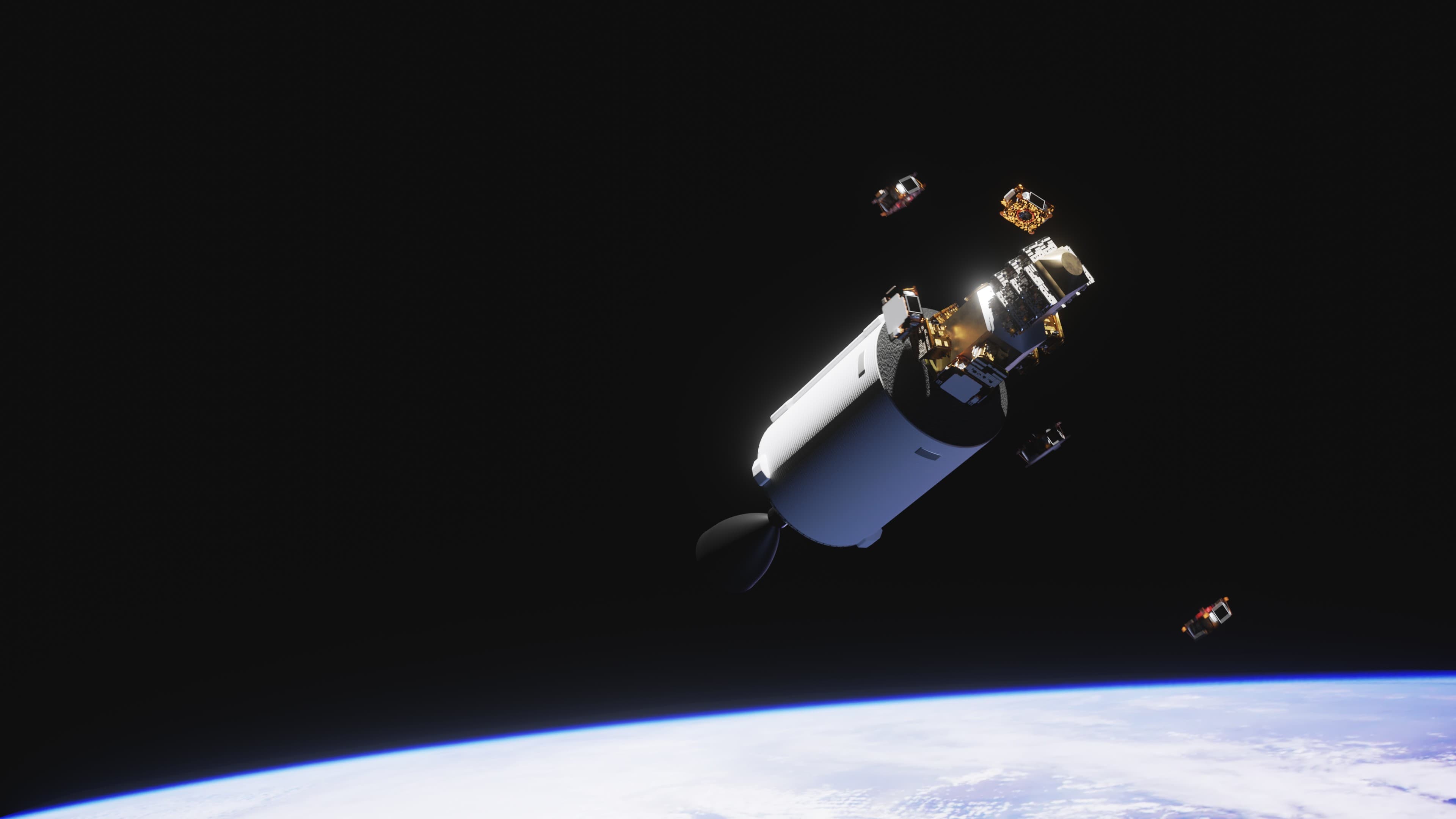
Access to low Earth orbit has never been cheaper. Access to the Moon still costs around $1 million per kilogram. And with ever more obvious demand to establish a presence on the Moon, it is increasingly important to address the issues faced by today's explorers. So, what are we doing about it?
It has never been easier to launch something into space; in fact, it has also never been cheaper. So why is the Moon so expensive? At an average cost of ~$1M/kg it is hard to replicate the boom in activity that cheap launch brought to LEO. And the truth is that while launching small spacecraft is comparatively cheap, launching a big spacecraft that requires a dedicated launch is not.
A lunar lander that costs $100M to launch and can carry 100kg of payload will charge far more per kilogram than the launch provider charged for the lunar lander. Cheaper access to the Moon requires a change in strategy. Fortunately, there are two possible strategies ahead of us:
To fulfil our vision, our lunar lander must be rideshare capable, launcher agnostic, and orbit agnostic. In short, we want to launch for cheap, from as many rockets as possible, and to whatever orbit it's easiest to launch to, we then travel to the Moon ourselves. Of course, reality is not so simple, but this provides the overall idea guiding our design philosophy.
The result is a ~650kg vehicle (fully fuelled), that is slightly larger than the average dishwasher. Paired with a high-performance electric pump-fed engine and four small attitude thrusters, this lander packs close to 6km/s of delta-v for a commercial payload of 20kg, enough to go from LEO to the lunar surface.
The most visible feature of the lander are its big fuel tanks, storing kerosene and hydrogen peroxide, a mix of storable green propellants used by the main engine to perform all main mission manoeuvres. While electric pumps are rather unconventional for spacecraft this size, this is a breakthrough enabler for our lander as it allows us to fly with lighter tanks and can be used repeatedly without the need for pressurisation systems by simply charging our batteries with solar cells.
Once launched, our lander will coast in LEO for a few days, performing tests and validating all systems. Once the greenlight is given, it will perform a series of apogee raise burns which will take it onto ever more elliptical orbits (this has the positive side effect that our lander will flyby close to earth multiple times at perigee, easing comms and navigation). On the final raise burn, the lander will enter a ballistic lunar transfer, a fuel saving measure that will place the lander in lunar orbit after a 4-month cruise time.
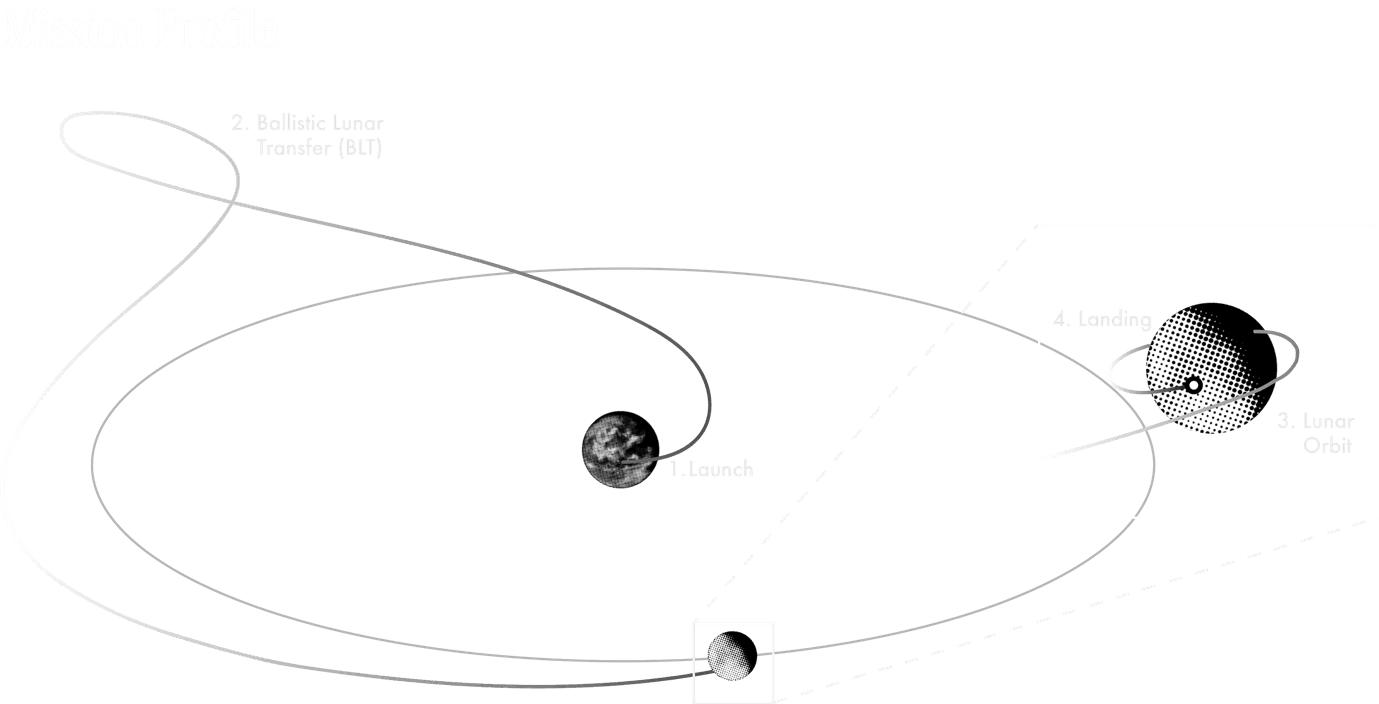
Once in lunar orbit, preparations will be made for descent. The descent burn will take approximately 10 minutes, during which time the lander will mainly rely on visual navigation systems to determine its speed and position. Once landed, the vehicle is designed to survive for the duration of a lunar day, which corresponds with 14 days on Earth.
This architecture is by design flexible and means it can be adapted based on customer needs. The mission profile described above is our base architecture, which can deliver 20kg to the Moon with a launch to LEO. Launching to higher orbits means less fuel is needed to reach the Moon and can be used to increase payload capacity instead.
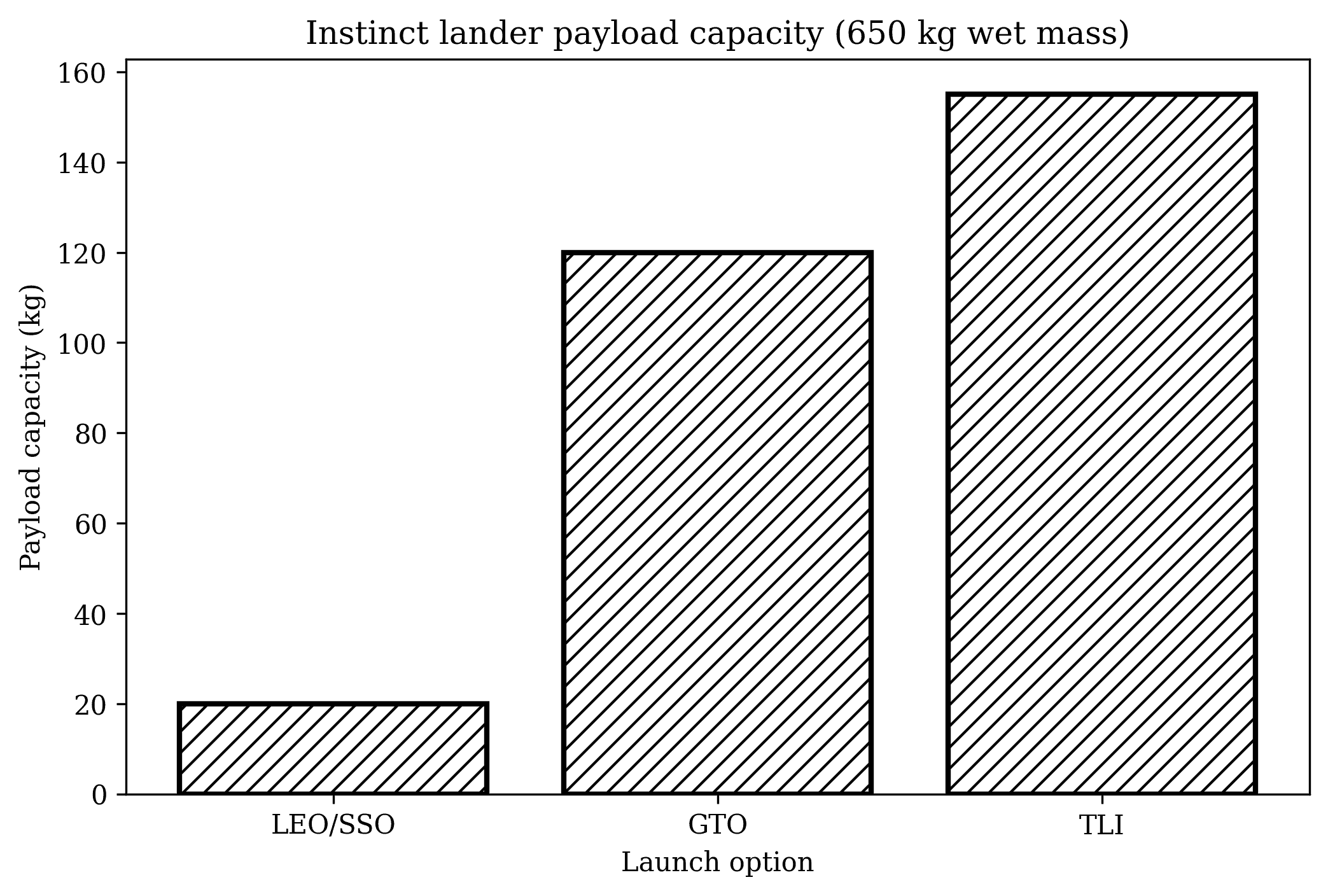
Rideshare launch access to such orbits is not as common as LEO yet, and the few available slots are more expensive, which is why we place our main bets on LEO launch. But there is plenty of reason to believe that more and more launch opportunities to higher orbits will become available in the future with increased demand.
Regardless of payload mass, the big question remains cost. Let's go straight to the point, for the standard mission profile and current launch costs to LEO we are targeting a customer price of approximately $550,000 per kilogram to the lunar surface. Cost for different mission profiles (based on estimates) is even lower.
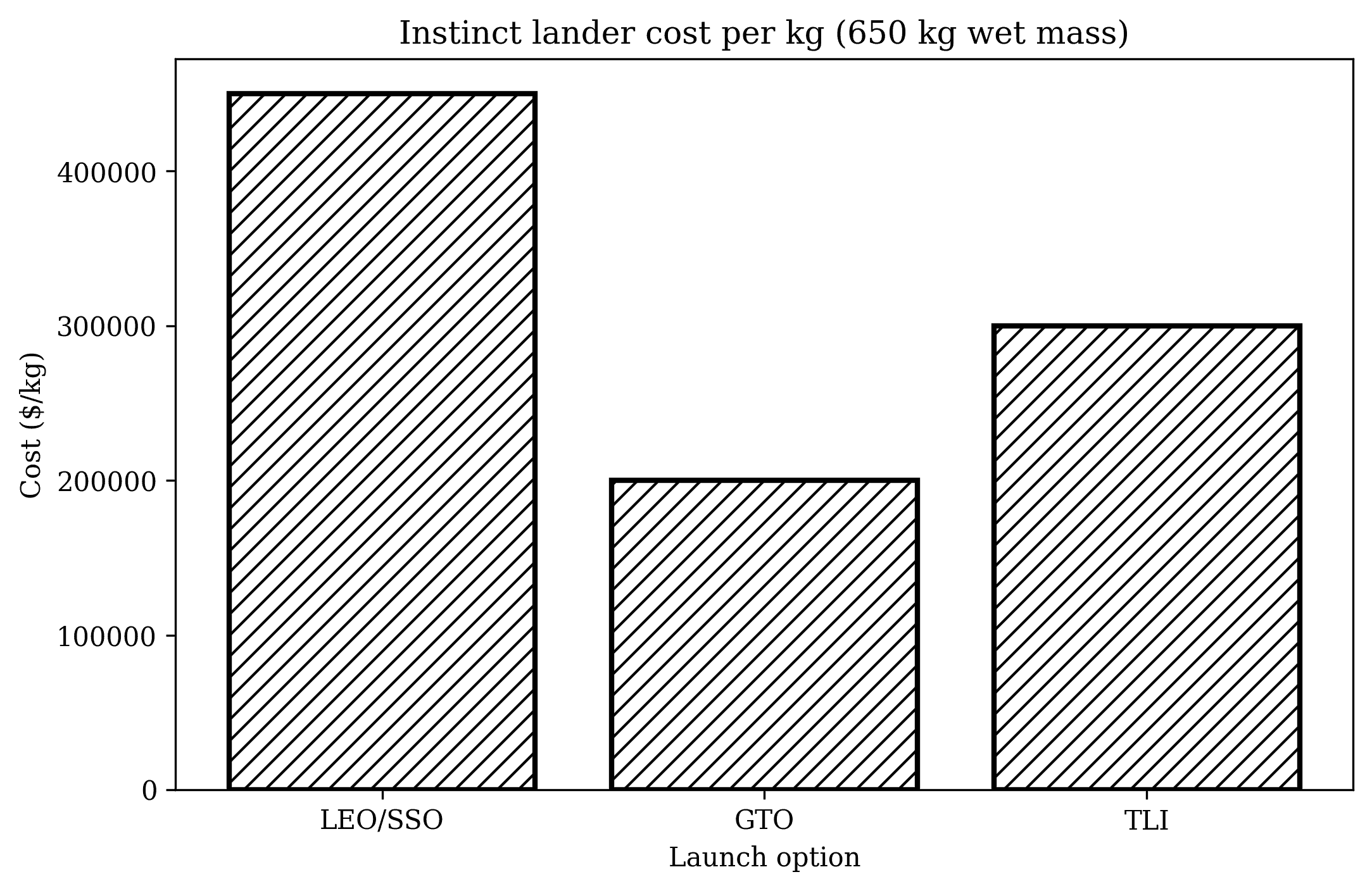
This is all based on today's launch economics, admittedly this is not yet as affordable as launching a CubeSat but nevertheless a massive improvement. Tomorrow's launch industry is likely to offer a very different picture, with more and more reusable vehicles built for LEO mega constellation building coming online, the cost barrier to space is expected to lower even further, particularly to LEO with vehicles such as SpaceX's Starship, which aim to reduce LEO launch costs dramatically.
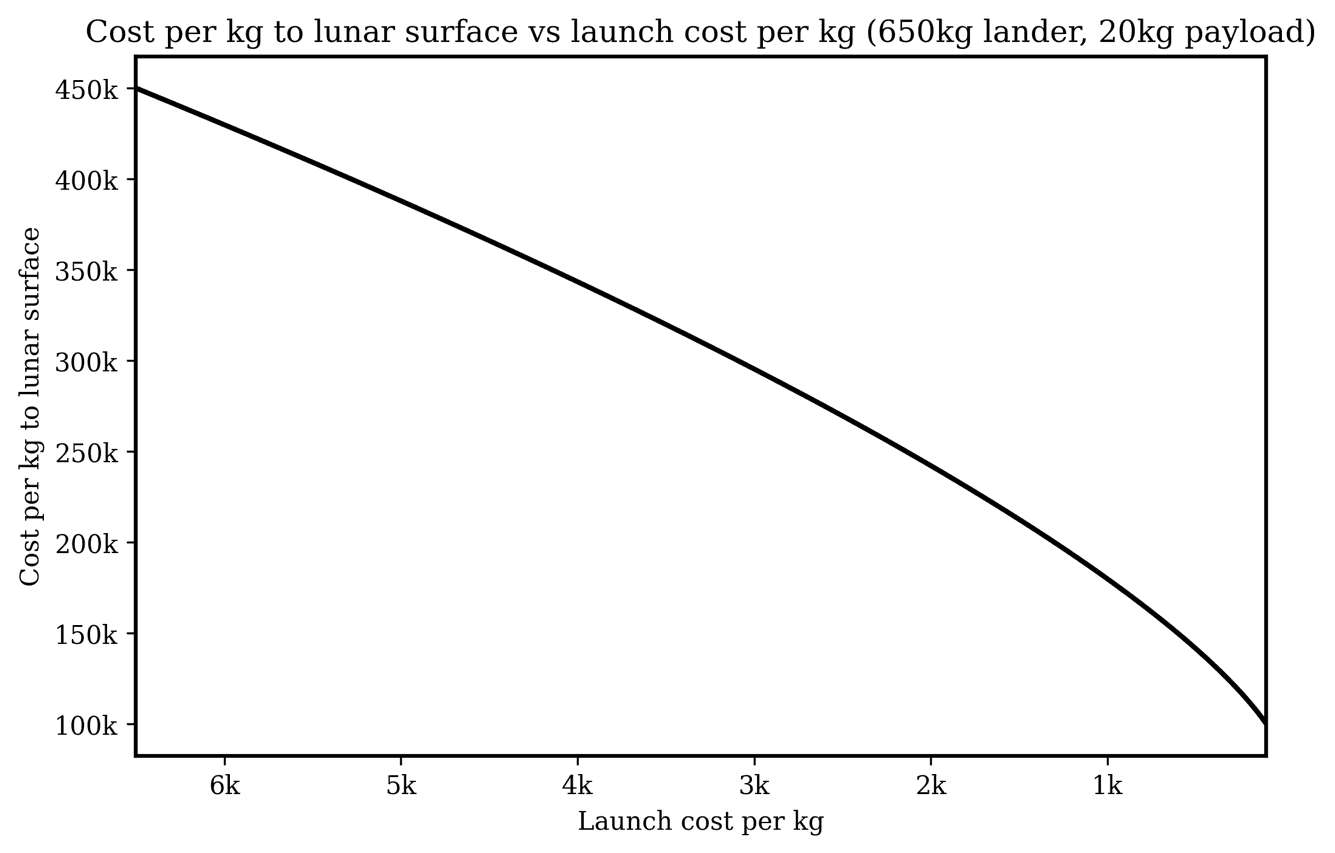
Much work remains, but the objective is straightforward: make routine, commercially viable access to the lunar surface possible within this decade. Expect more technical updates as we move forward towards our first mission, currently scheduled for 2028.
In the process of explaining our rationale I omitted many technicalities that are not necessarily relevant to the topic, but as always, I am more than happy to share more details.